Municipality of SoldanoTourism Portal
iten
Search
Municipality of Soldano
  • Destinations
  • Events
  • Itineraries
  • Magazine
  • Geoportal
iten
Official Website of the Municipality of Soldano
Municipality of Soldano
Tourism Portal

Explore

  • Destinations
  • Events
  • Itineraries
  • Magazine
  • Topics

Information

  • Privacy
  • Accessibility
  • Geoportal

Contacts

Municipality of Soldano
protocollo@comunesoldano.it
0184 289037

  • Contatti DPOI.s.e.c. Srldpo@isecsrl.comisecsrl@legalmail.itLa mail del DPO va usata SOLO per questioni riguardanti la privacy
© 2026 Comune di Soldano - Tutti i diritti riservati - Sito realizzato da NeMeA Sistemi Srl
  1. Home
  2. Itineraries
  3. Soldano: where time has stood still

Soldano: where time has stood still

Forget about the time and let the sound of the bells guide you as you explore the medieval heart of Soldano

Duration: 1 hour — 3 stages
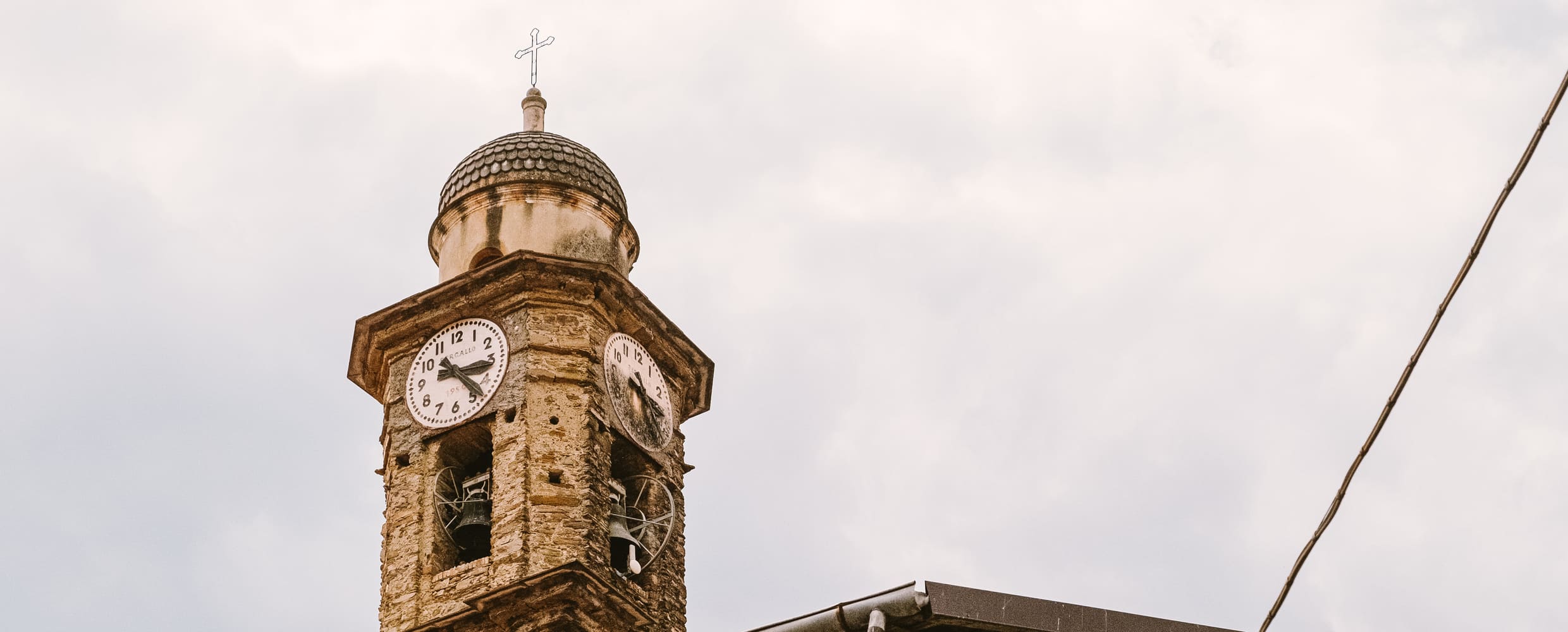
Soldano: where time has stood still© Gabriele Sorrentino
Duration: 1 hour
Difficulty: Easy
Stages: 3
Villages

Soldano is not just a medieval village in the heart of western Liguria; it is a breath of fresh air amidst the Rossese vineyards, the greenery of the olive trees and the yellow of the mimosa in bloom.

Here, life follows the rhythm of the seasons: the shops close for lunch, children play in the square, and a greeting in the narrow streets is a must. Amidst the summer song of crickets and the damp, biting winter, you’ll discover a close-knit community and a village of disarming authenticity.

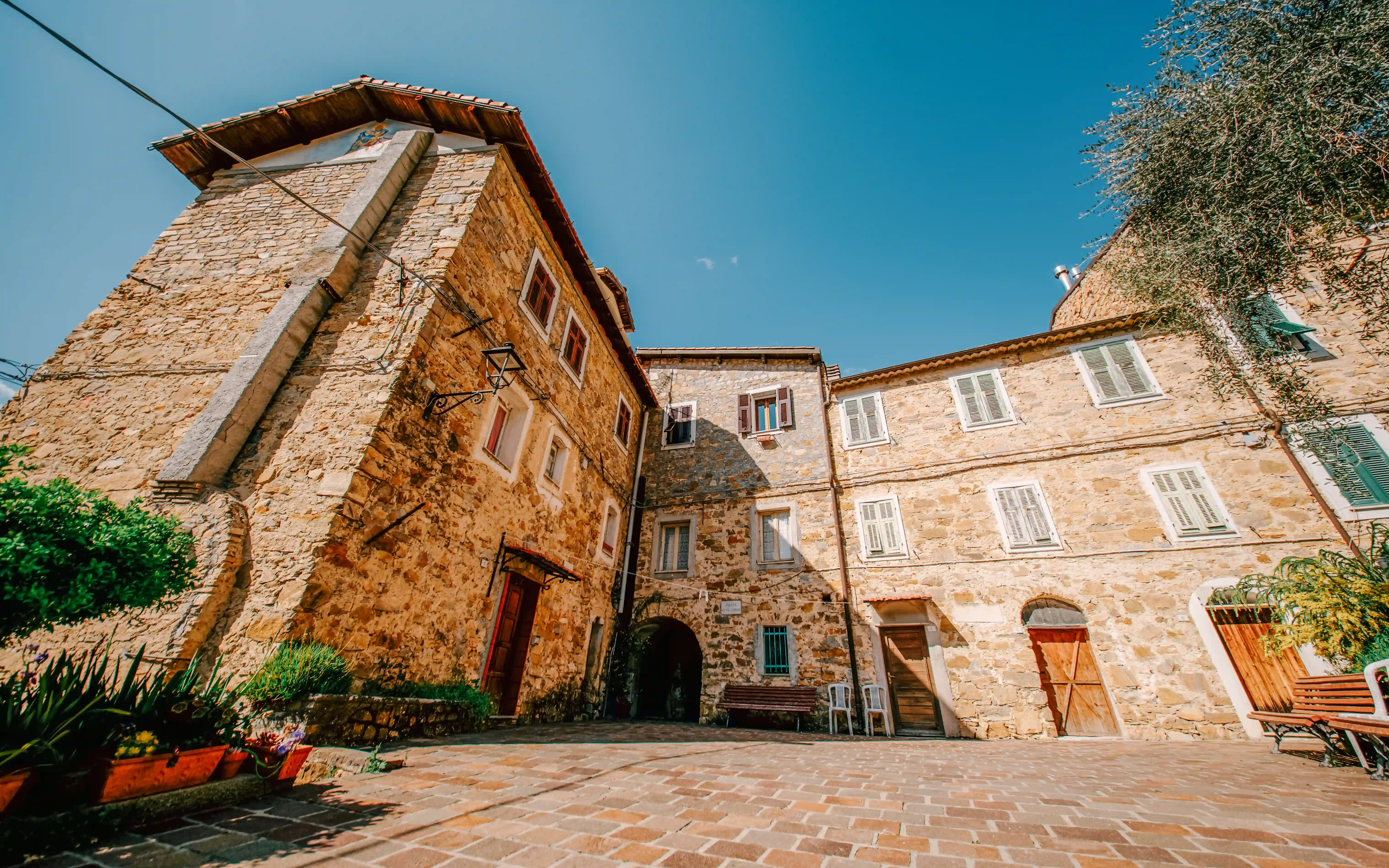
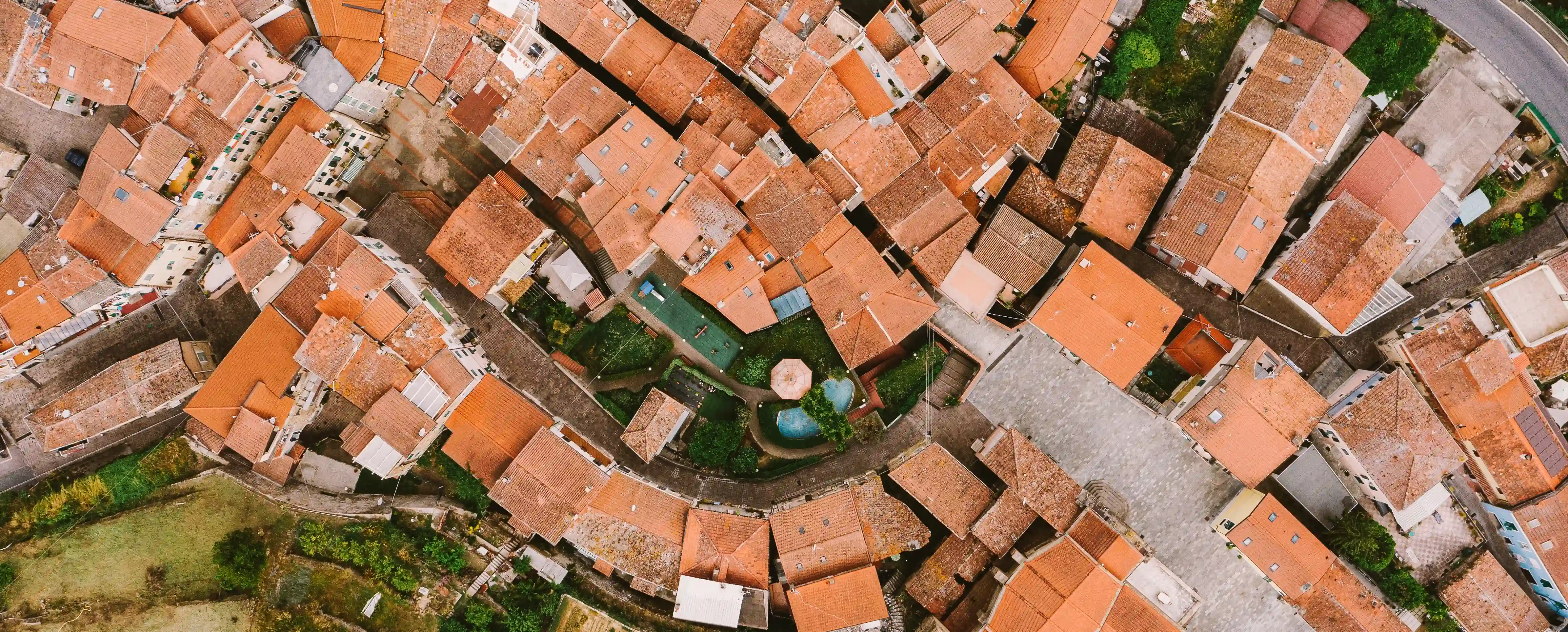
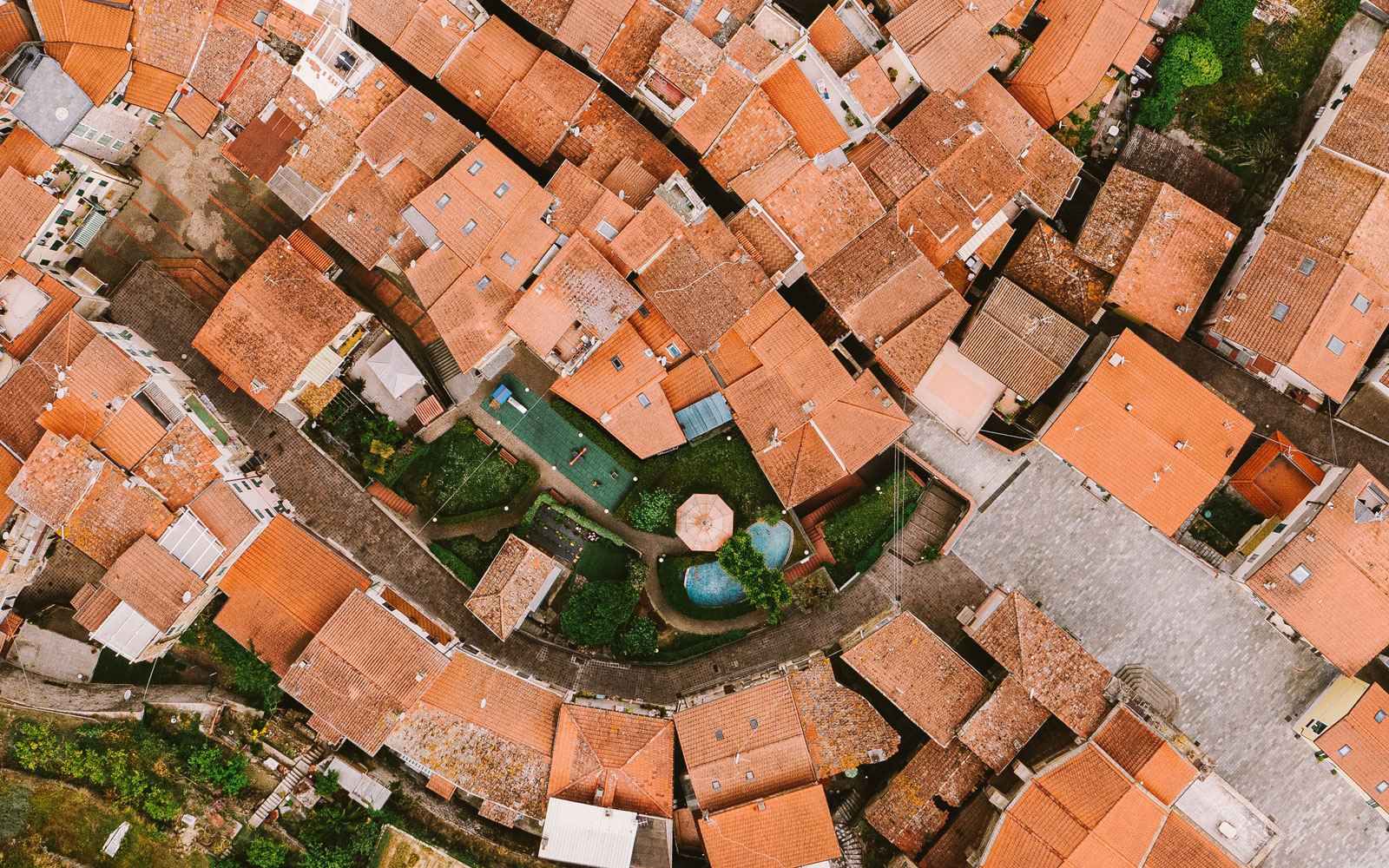
In the heart of the Verbone Valley, Soldano still preserves the soul of its ancient medieval village. The stone houses huddle close together as if to protect one another, clambering up the hillside from the stream to the Cima, the highest point in the village. Here, the narrow alleyways are cool in summer and quiet in the afternoon, filled with the scent of ancient stone and the soft sound of footsteps.

Once known as ‘Castrum Soldani’, the village was founded as a defensive stronghold along the route linking the sea to the mountains, in a region marked by Saracen raids and the need to protect the community. Even today, that medieval character remains intact: stone arches, covered passageways, small, unexpected squares and alleyways that intertwine like a labyrinth tell a story of everyday life, ingenuity and memory.

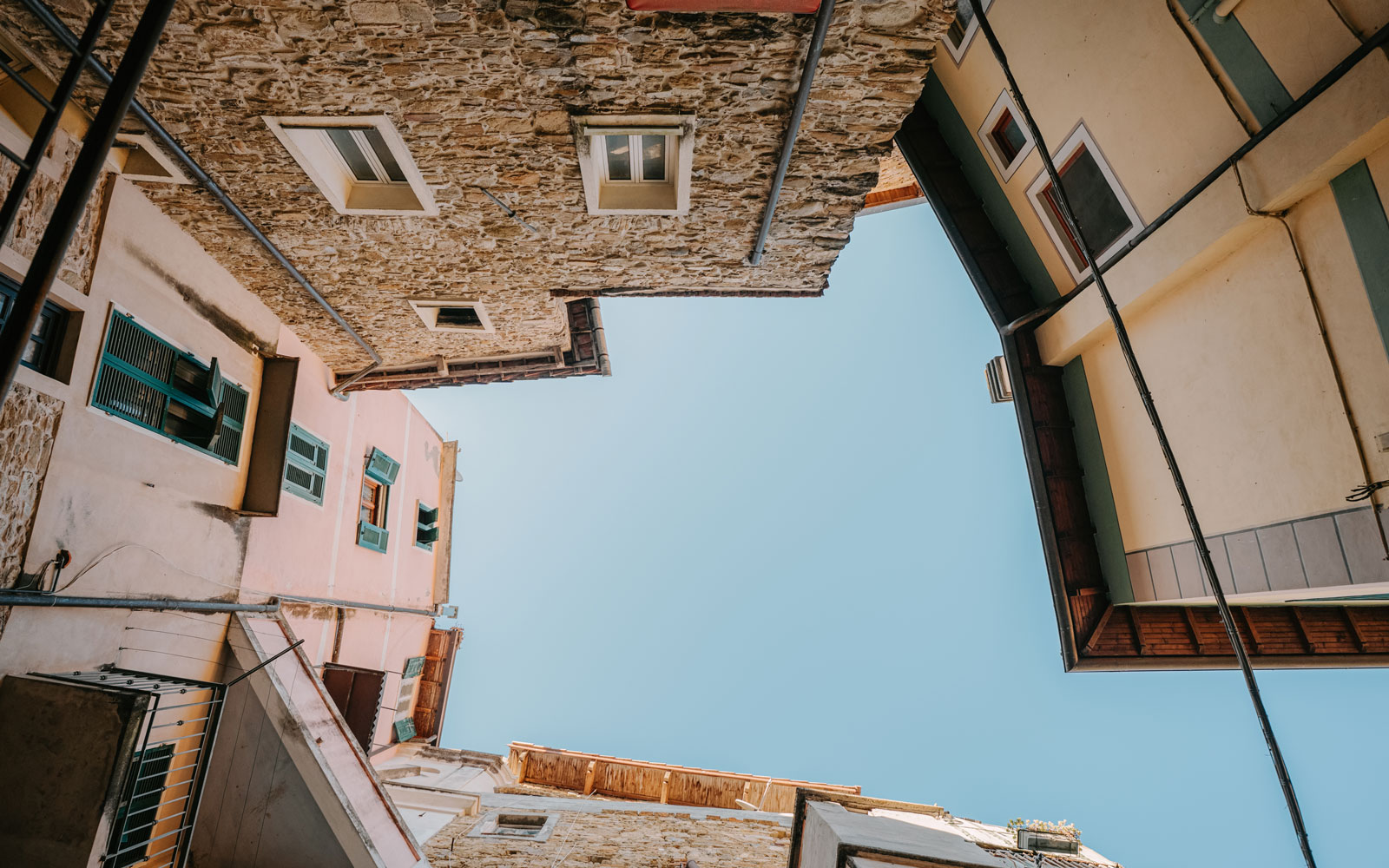
Strolling through these streets means naturally slowing down. You pause to look at a half-open window, a pot of basil on the windowsill, the sun filtering through the rooftops. And step by step, amidst the silence, glimpses and hidden details, Soldano reveals itself with the authentic simplicity of places that have never ceased to be lived in.

English translations are AI generated. Thanks to Gaia Cassini, Fausto Amalberti and Soudan.it for the information and materials used as primary sources.
Stages

1

A stroll through time amongst the narrow alleyways

A stroll through time amongst the narrow alleyways
The journey of discovery through Soldano begins at Piazza Vecchia, the starting point of the route through the village. Time seems to slow down from the very first steps. From here, take Via Cima southwards, passing through arches and covered passageways that lead to the ancient ‘Barcunerie’, a curious zigzag path built to slow down attackers and protect the heart of the village. Once you’ve passed through the northern gate, you enter Via San Mauro, the ancient backbone of the medieval village, where the stone houses huddle close together, revealing only a sliver of sky. Amidst cool shadows, ancient walls and unexpected views, the village still reveals its most authentic spirit today. Turning into Vicolo Chiuso, an almost hidden staircase winds its way through the houses like a small tunnel and leads to Piazzetta del Rossese, a small square dedicated to wine – the symbol of these hills. The paving resembles vine leaves, a subtle tribute to the agricultural tradition that still characterises the area today. A little further on lies the ‘Funtaneta’, where water continues to flow silently beneath the paving stones, whilst heading back up towards Via Soprana, an ancient votive shrine appears, a discreet testament to popular devotion. Once you reach the “Catru Camìn”, the junction of the four alleyways, you descend again down the steps of Via Cima, until you reach the “Barcuneire” once more and the final steps, known as “scarei”. Walking alongside the provincial road and then turning into Via alla Scala, through narrow alleys and stone passageways, you climb once more to reach Piazza San Giovanni Battista, passing under the ancient bridge that once linked the village to the countryside.
2 hours
2

The Church, the Oratory and the Witch’s Chapel

The Church, the Oratory and the Witch’s Chapel
Once you have crossed the ancient stone bridge, you find yourself in Piazza San Giovanni Battista, a spacious and light-filled square that opens up just outside the medieval village. Here stands the Church of San Giovanni Battista, recognisable by its Baroque façade, which dominates the square with simplicity and elegance. Even today, this place remains at the heart of village life: a meeting place where you can pause in the sunshine, listen to the sounds of the village and let the tranquillity wash over you. Inside the church, a precious Renaissance polyptych is preserved, alongside decorations and works of art that recount the community’s long religious history. On leaving, it is worth pausing for a moment on the steps to admire the rooftops of Via San Mauro: rising above the stone houses is the dome of the ancient parish church of St John the Baptist, now hidden and nestled amongst the houses of the historic centre, like a silent reminder of the past. From the square, you can also catch a glimpse of the façade of the Oratory of St John the Evangelist, a cosy place deeply rooted in the village’s popular devotion. The final stretch of the route through the heart of Soldano leads to a small crossroads, amidst ancient stones and tales suspended in time. Returning to the village via the southern gate on Via San Mauro, you can choose whether to walk down the Scala Grossa or pass through the charming covered passageway known as the ‘Cappello della Strega’. If you choose the latter, slow your pace and look up at the stone vaulted ceiling. Tradition has it that right there, amongst the ancient arches and the shadows of the alleyway, a witch’s hat became lodged. A simple, quiet legend, passed down through the ages amongst the houses of the village, which accompanies the final steps of the route with the understated charm of folk tales.
1 hour
3

Saint Martin and the Sanctuary of Our Lady of Mount Carmel

dsc00399-_img06jpg.webp
Get back in the car, leave Soldano behind you and follow the Provincial Road 59 towards Perinaldo. After a few kilometres, amongst olive groves and rows of vines, you will reach the hamlet of Massabò, where a turn-off to the right leads to the hamlet of San Martino. Nestled on high ground amongst the hills, the hamlet of San Martino still retains the simple, authentic character of the Ligurian countryside. The stone houses are arranged around a small square in keeping with the traditional rural layout, telling the story of a daily life centred on work in the fields, the slow passage of the seasons and deep ties to the land. Here, time seems to move at a different pace, accompanied by the wind rustling through the olive trees and the silence of the cultivated terraces. Strolling through the hamlet’s narrow streets means discovering details that speak of the rural life of yesteryear: exposed stone walls, simple arches, narrow passageways and glimpses of the hills of western Liguria. Everything retains a cosy and authentic atmosphere, which has remained surprisingly intact. Its panoramic setting also makes San Martino an ideal starting point for a leisurely walk through nature and the countryside. To the north, the hillside road leads to the hamlet of Suseneo and continues on to Perinaldo; to the south, however, the route winds through vineyards and olive groves with sweeping views of the sea, taking you towards Vallebona, amidst scenery that tells the agricultural story of these hills, cultivated for generations. Get back in the car and drive back along the San Martino road until you rejoin the Provincial Road 59, then head south towards Soldano. After a few kilometres, the turn-off for Strada Orià opens up on the left. The road gradually climbs once more through the tranquillity of the countryside and the scent of Mediterranean vegetation, until, after about one kilometre, it reaches the Sanctuary of the Madonna del Carmine. Nestled amongst olive trees and overlooking the hills of western Liguria, this small country church appears almost out of the blue: simple and intimate, as if suspended in the silence of the rural landscape. Here, popular devotion has always been intertwined with life in the fields and the deep bond between the community and the land that surrounds it.
1 hour

Gallery

Map

Related destinations

Ancient stones. The historic centre of Soldano

Ancient stones. The historic centre of Soldano

Soldano, Liguria

Itinerary stages
  1. 1

    A stroll through time amongst the narrow alleyways

    2 hours

  2. 2

    The Church, the Oratory and the Witch’s Chapel

    1 hour

  3. 3

    Saint Martin and the Sanctuary of Our Lady of Mount Carmel

    1 hour